

Should Students Read More Novels? 6 Translated Books to Add to Your Curriculum
Posted on January 13, 2026
By Emma Deshpande
Should students read more novels? And how, in an age where many English classrooms rely on brief excerpts and easily accessible digitized anthologies, do we encourage them to read more? These questions have complex answers and complex solutions, as a recent Vulture article about an unconventional professor at the University of Pennsylvania demonstrated.
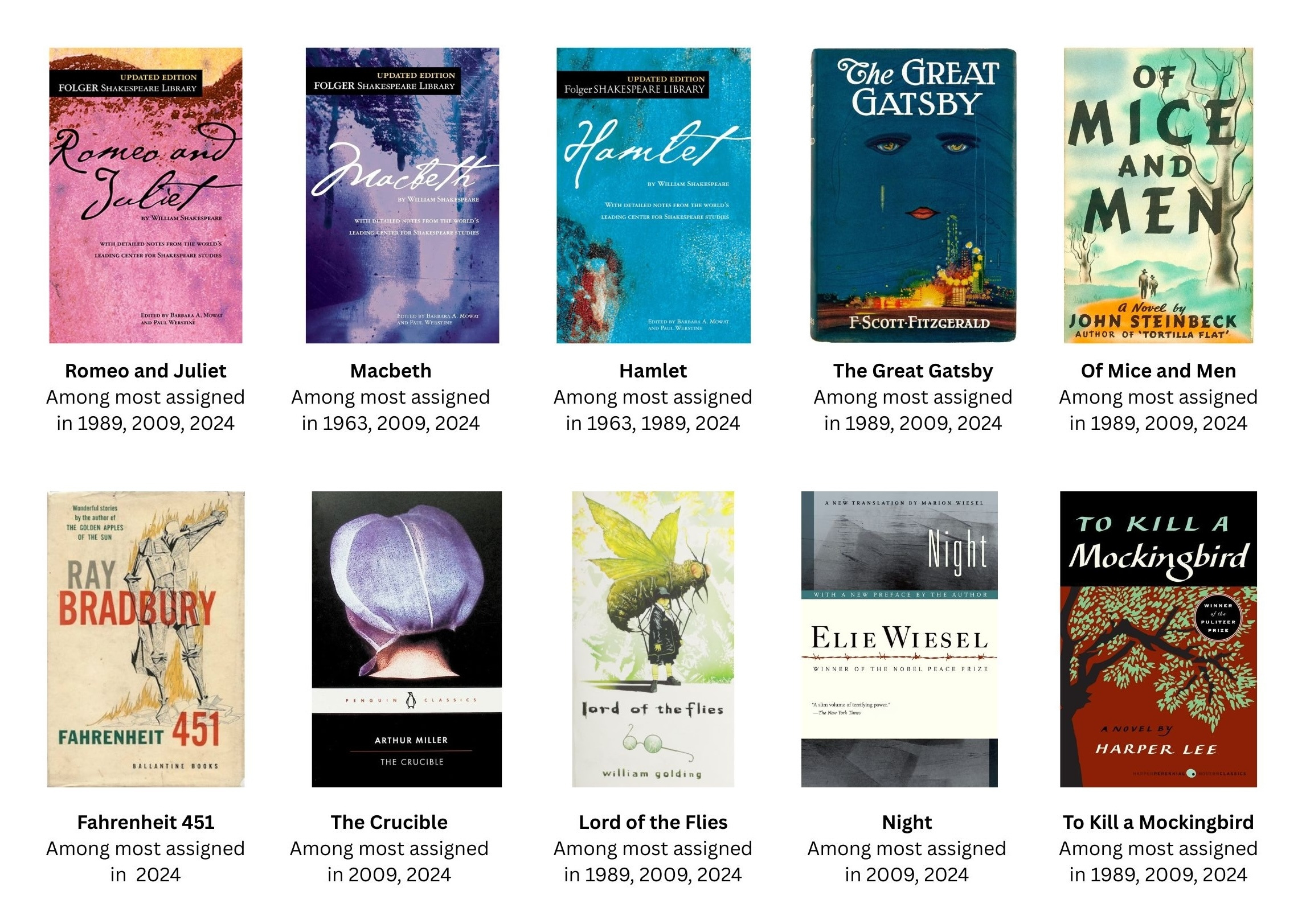
“Novels, and longer works in general, are powerful teaching tools for children in upper elementary grades and beyond,” Sarah Schwartz writes in EdWeek’s “Are Books Really Disappearing from American Classrooms?” And there are other factors: whether taught in excerpts or as full-length texts, research featured in the New York Times shows that the books students read in US classrooms tend to be classic works from the American and British canon.
Students benefit from diverse reading lists in many ways—diverse books act as mirrors to improve self-esteem (the focus of our 2025 post on empowering global readings for students), foster cross-cultural friendships and empathy, and improve reading stamina and test scores.
So how can educators utilize these benefits in the classroom? Teaching novels in translation exercises students’ concentration and reading comprehension skills, while introducing them to stories from around the world that reflect their lives or introduce them to diverse experiences. Below, we’ve compiled a list of six novels in translation from four countries to incorporate into your curriculum. All of these works are excerpted on the Words Without Borders Campus website, and accompanied by resources and teaching guides that can inform your lesson plans for the full text. Reading grade levels are noted for each text—WWB Campus’s guidelines for recommended reading grade levels versus maturity levels are outlined on our “For Educators” page.
China
- Death Fugue (full text on Bookshop)
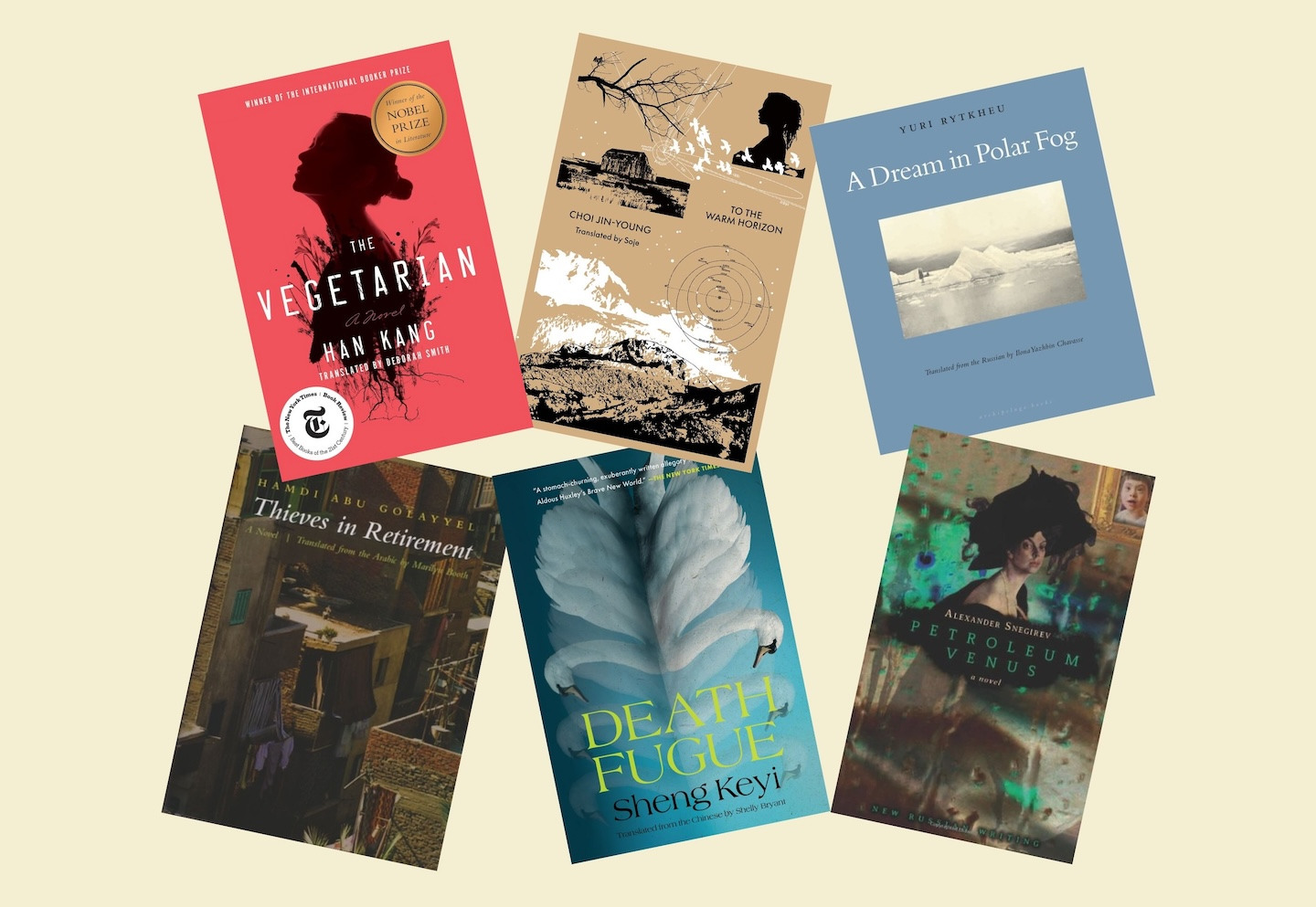
Sheng Keyi’s dystopian novel Death Fugue, which is translated by Shelly Bryant (and is a banned book in China), follows a poet who wakes up in a city that, at first, appears to be a perfect society. WWB Campus’s teaching ideas on utopias and dystopias and poetry in fiction will guide your lessons on this novel, suitable for reading grade levels 9 and up.
Egypt
2. Thieves in Retirement (full text on Bookshop)
Meet the inhabitants of an apartment building on the outskirts of Cairo in Hamdi Abu Golayyel’s novel Thieves in Retirement, translated by Marilyn Booth. As you teach this novel in vignettes, which is recommended for reading grade levels 11 and up, draw from WWB Campus’s teaching ideas on psychology in fiction, emotional responses, and spiritual versus material wealth.

Korea
3. To the Warm Horizon (full text on WorldCat)
In Choi Jin-young’s novel, To the Warm Horizon, translated by Soje, romance blossoms between two teenage South Korean girls in a postapocalyptic landscape. Use WWB Campus’s teaching ideas on first impressions and resilient characters for your lessons on this novel, which is aimed at reading grade levels 5 and up.
4. The Vegetarian (full text on Bookshop)
Nobel Prize winner Han Kang’s novel The Vegetarian, translated by Deborah Smith (and winner of the 2016 International Booker Prize), follows the escalation of a woman’s decision to stop eating meat. Use WWB Campus’s teaching ideas on judgments and unreliable narrators to structure your lessons on this unique novel, which is suited for reading grade levels 7 and above.
Russia
5. A Dream in Polar Fog (full text on Bookshop)
In Yuri Rytkheu’s A Dream in Polar Fog, translated by Ilona Yazhbin Chavasse, a Canadian explorer joins a community of indigenous Chukchi people in Siberia in the early 20th century. WWB Campus’s teaching ideas on stereotypes and unfamiliar landscapes will guide your lessons on this historical novel, recommended for reading grade levels 7 and up.

6. Petroleum Venus (full text on Amazon)
Alexander Snegiryov’s novel Petroleum Venus, translated by Arch Tait, follows a single father and his son with Down syndrome after his son retrieves a painting from a car crash outside their home. Use WWB Campus’s teaching ideas on personifying a country, fathers and children, and realism versus fantasy for your lessons on this novel, inspired by the author’s experiences and suited for reading grade levels 9 and up.